Global Luxury Goods Market Size & Competitive Analysis 2025–2035
Market Overview
The luxury goods market is driven by rising disposable incomes, changing consumer preferences, and increasing demand for premium products. Categories such as fashion, accessories, and high-end goods are witnessing steady growth globally.
Key Market Drivers
- Rising global affluent and high-net-worth population
- Growing aspiration for premium and luxury brands in emerging markets
- Experiential luxury including hospitality and travel
- Digital channels expanding luxury access to new demographics
Market Dynamics
▲ Drivers
- Rising global affluent and high-net-worth population
- Growing aspiration for premium and luxury brands in emerging markets
- Experiential luxury including hospitality and travel
- Digital channels expanding luxury access to new demographics
▼ Restraints
- Economic fluctuations reducing discretionary luxury spending
- Counterfeit products damaging brand integrity and sales
- Generational shift in luxury values toward experience over ownership
- ESG expectations challenging traditional luxury supply chains
⭐ Opportunities
- Expansion in China and Asia-Pacific luxury markets
- Digital luxury commerce and virtual try-on experiences
- Sustainable and ethical luxury gaining consumer preference
- Resale and pre-owned luxury market development
⚠ Challenges
- Maintaining brand exclusivity in digital and accessible channels
- Managing authenticity and anti-counterfeiting at scale
- Attracting younger affluent consumers without diluting prestige
- Supply chain transparency for ethical sourcing commitments
Market Segmentation
By Product Type
- Luxury Fashion & Apparel
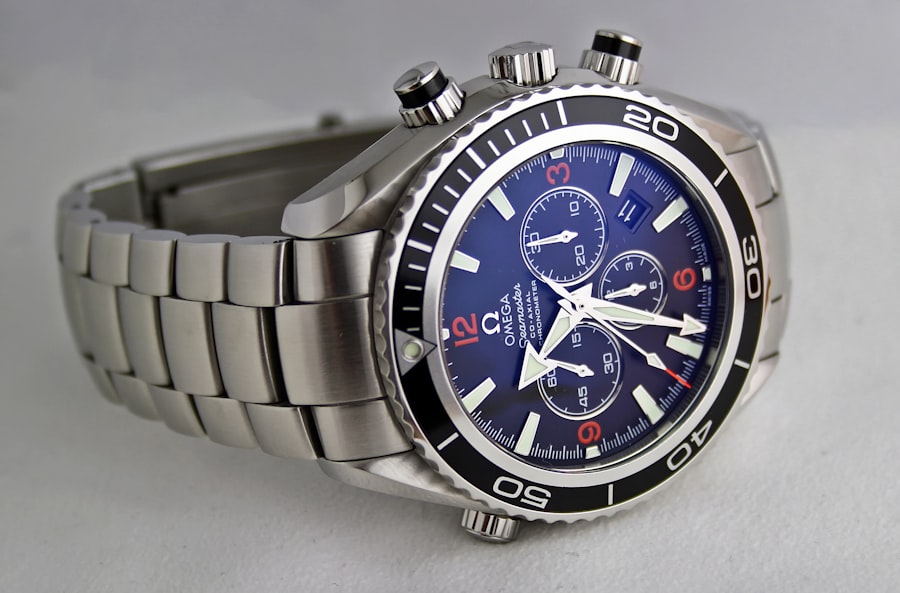
- Luxury Watches & Jewellery
- Luxury Leather Goods & Accessories
- Premium Cosmetics & Fragrances
- Luxury Automobiles
- Fine Art & Collectibles
By Distribution Channel
- Brand Mono-stores & Boutiques
- Department Stores
- Online Luxury Retail
- Duty-Free & Travel Retail
By End-User
- Individual High-Net-Worth Consumers
- Corporate Gifting
- Aspirational Middle Class
Regional Analysis
Europe: Home to the world most prestigious luxury heritage brands in France, Italy, and Switzerland, dominating global luxury fashion, watches, and leather goods.
Asia-Pacific: The fastest-growing luxury market with Chinese consumers representing the largest global share of luxury purchases.
North America: A mature and large luxury market with strong demand across fashion, jewellery, automotive, and premium spirits.
Key Companies
- LVMH
- Kering
- Richemont
- Hermes
- Chanel
- Prada
- Burberry
- Tapestry
- Capri Holdings
- Swatch Group
Key Trends & Insights
- Growth of online luxury retail and digital brand experiences
- Personalisation and exclusivity as core luxury propositions
- Sustainable and ethical luxury gaining traction with younger consumers
- Pre-owned and resale luxury market becoming mainstream
- Brand collaborations and limited editions driving desirability
Research Methodology
This report is prepared using a combination of primary and secondary research methodologies:
- Primary Research: Interviews with industry experts, key stakeholders, and decision-makers
- Secondary Research: Industry reports, company publications, government databases, and regulatory filings
- Data Validation: Cross-verification through multiple data sources and analyst review
- Market Estimation: Top-down and bottom-up approaches with triangulation
Table of Contents
- Executive Summary
- Market Introduction & Scope
- Research Methodology
- Market Dynamics (Drivers, Restraints, Opportunities, Challenges)
- Market Size & Forecast (2025–2035)
- Market Segmentation Analysis
- Regional Analysis & Country-Level Insights
- Competitive Landscape & Market Share
- Company Profiles & Strategic Developments
- Future Outlook & Strategic Recommendations
Why Choose Stratynor?
- In-depth industry expertise and sector-specific analyst teams
- Customisable reports tailored to your specific research needs
- Reliable data sourced through rigorous primary and secondary research
- Dedicated analyst support included with every report purchase
- Actionable insights designed to support strategic decision-making
Frequently Asked Questions
What is driving the Luxury Goods market?
Rising global affluence, expanding high-net-worth consumer base in Asia-Pacific, digital channel adoption enabling new luxury consumers, and the growth of experiential luxury are the primary growth drivers. Europe houses the heritage luxury brands but Asia-Pacific, led by China, is the world's largest and fastest-growing luxury consumption market. North America maintains strong stable demand.
Which region dominates the Luxury Goods market?
Europe dominates Luxury Goods production, home to the world's most iconic brands across fashion, watchmaking, and jewellery. Asia-Pacific, led by China, is the largest and fastest-growing consumer region for luxury products globally.
What is included in the full report?
The full report includes detailed market size data (USD values), segment-wise and country-level forecasts, competitive landscape analysis, company profiles, and strategic recommendations.
Can I request a sample before purchasing?
Yes. Use the "Request a Sample" button on this page to receive a sample section of the report within 24 hours at no cost.
Disclaimer: All company names and trademarks referenced in this report are the property of their respective owners and are used for identification purposes only. Stratynor is not affiliated with or endorsed by any of the companies mentioned herein.
Purchase This Report
Select your license type and proceed to enquire. Our team will send you a payment link within 24 hours.
Single User License
Multi User License
Enterprise / Global License
✅ Delivery within 5 business days
✅ PDF format
✅ Analyst Q&A included
✅ All sales are final — please review our Terms & Conditions